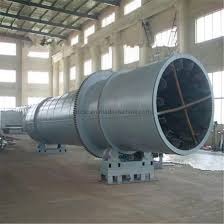

I didn’t really care much about kiln seals until I saw a plant guy literally getting stressed over small air leaks… and honestly I thought he was overreacting. But turns out, stuff like direct reduction kiln seal actually decides whether a plant runs smooth or just keeps burning money slowly. And yeah, it’s one of those things nobody outside the industry talks about, but inside… it’s kind of a big deal.
If you’ve ever tried to keep a room cool with a broken window, you already get the idea. Same logic, just way more expensive. A tiny gap in a rotary kiln seal can mess up the whole reduction process. Heat loss, air infiltration, messed up chemistry… everything starts going a bit off. Not instantly, but slowly… like a leak in your wallet you don’t notice until it’s too late.
I was reading about this on some forums and industry threads, and people kept saying the same thing again and again — seals are underrated. Like, super underrated.
What’s Actually Happening Inside the Kiln (not as simple as it sounds)
So in direct reduction, the kiln is basically doing controlled chemistry at high temps. Iron ore gets reduced without melting. Sounds neat, but the process is kinda sensitive. You need the right temperature, right gas composition, and very controlled air entry.
Now here’s the annoying part — if your seal is not doing its job properly, oxygen sneaks in. And oxygen is like that uninvited guest at a party who ruins everything. Instead of reduction, you might get oxidation in some zones. Which is… yeah, not what you want at all.
Also heat loss is a silent killer here. Even a small drop in temperature consistency can reduce efficiency. Plants end up burning more fuel just to maintain the same output. Someone once compared it to driving with handbrake slightly on. Car still moves, but you’re wasting energy constantly.
If you want to see how companies are actually solving this, you can check this resource on direct reduction kiln seal — it gives a better idea of how sealing systems are designed for these harsh conditions.
The Part Nobody Talks About – Maintenance Struggles
This is where things get a bit messy. On paper, seals look simple. In real life? Not so much.
Kilns are rotating, temperatures are crazy high, dust is everywhere, and alignment is never perfect. So seals are constantly under stress. They wear out, deform, or just stop sealing properly over time.
I remember reading a comment from a plant engineer on LinkedIn (yeah, surprisingly useful sometimes), he said something like “we don’t replace seals when they fail, we replace them when we can’t ignore them anymore.” That kinda stuck with me.
Because shutdowns are expensive. So people stretch the life of seals more than they should. And then efficiency drops slowly… but since it’s gradual, it’s easy to ignore. Until numbers start looking bad.
Cost vs Value – This Is Where People Get It Wrong
Honestly, this part feels like basic common sense, but still gets ignored a lot.
Companies often go for cheaper sealing solutions thinking they’re saving money. But it’s like buying cheap shoes that wear out in 3 months. You don’t save, you just spend again and again.
A better sealing system might cost more upfront, sure. But it reduces air leakage, saves fuel, improves product quality, and cuts downtime. When you add all that up… it’s not even close.
I saw one small stat somewhere (not sure how accurate but still interesting) that improving kiln sealing efficiency by even 5–10% can reduce fuel consumption noticeably over time. And in industries where fuel cost is huge, that’s not small.
Social Media Talk – Yeah, Even This Topic Has Some Buzz
You wouldn’t expect kiln seals to trend anywhere, but surprisingly there’s chatter. Mostly on niche groups though. LinkedIn, some engineering forums, even YouTube comment sections.
A lot of people share before-after cases. Like, “we upgraded seals and saw better stability in temperature profile.” Not viral content obviously, but within the industry, people do pay attention.
Also there’s growing focus on energy efficiency and emissions. So suddenly things like sealing systems are getting more importance. Because every bit of saved energy counts when companies are trying to look “greener”.
Some people even joke about it — “fix your seals before hiring consultants.” Kinda harsh, but also… makes sense.
A Small Story That Made Me Think Differently
There was this one case I heard from a friend who works in a steel plant. They had issues with inconsistent product quality. Everyone blamed raw material, operators, even weather (yeah, seriously).
Turned out, the main issue was poor sealing at kiln ends. Air was getting in, messing up the reduction zone. Once they fixed the sealing system, things improved. Not magically overnight, but noticeably.
What’s funny is, nobody suspected seals at first. Because they’re not the flashy part of the system. They just sit there, doing their job quietly… until they don’t.
So… Is It Really That Important?
Short answer, yeah. Probably more than most people think.
It’s one of those components that doesn’t get attention unless something goes wrong. But when it does, it affects everything else. Efficiency, cost, output, even maintenance cycles.
And maybe that’s why it’s interesting. Because it shows how small engineering details can have big financial impact. Like tiny cracks in a dam — looks harmless, but you don’t wanna ignore it.
Anyway, I guess what I’m trying to say is… don’t underestimate boring-looking components. Sometimes they’re doing the heaviest lifting behind the scenes.
And yeah, next time someone talks about kiln seals, I probably won’t roll my eyes like I used to. Learned that one the hard way (well, indirectly but still counts).